How to Finish Plywood Edges: Banding, Solid-Wood Lipping, or Paint
Quick answer For a clear-finished project, choose veneer edge banding to conceal the layers, or solid-wood lipping when you want a thicker, distinct border. For a…
Quick answer For a clear-finished project, choose veneer edge banding to conceal the layers, or solid-wood lipping when you want a thicker, distinct border. For a…
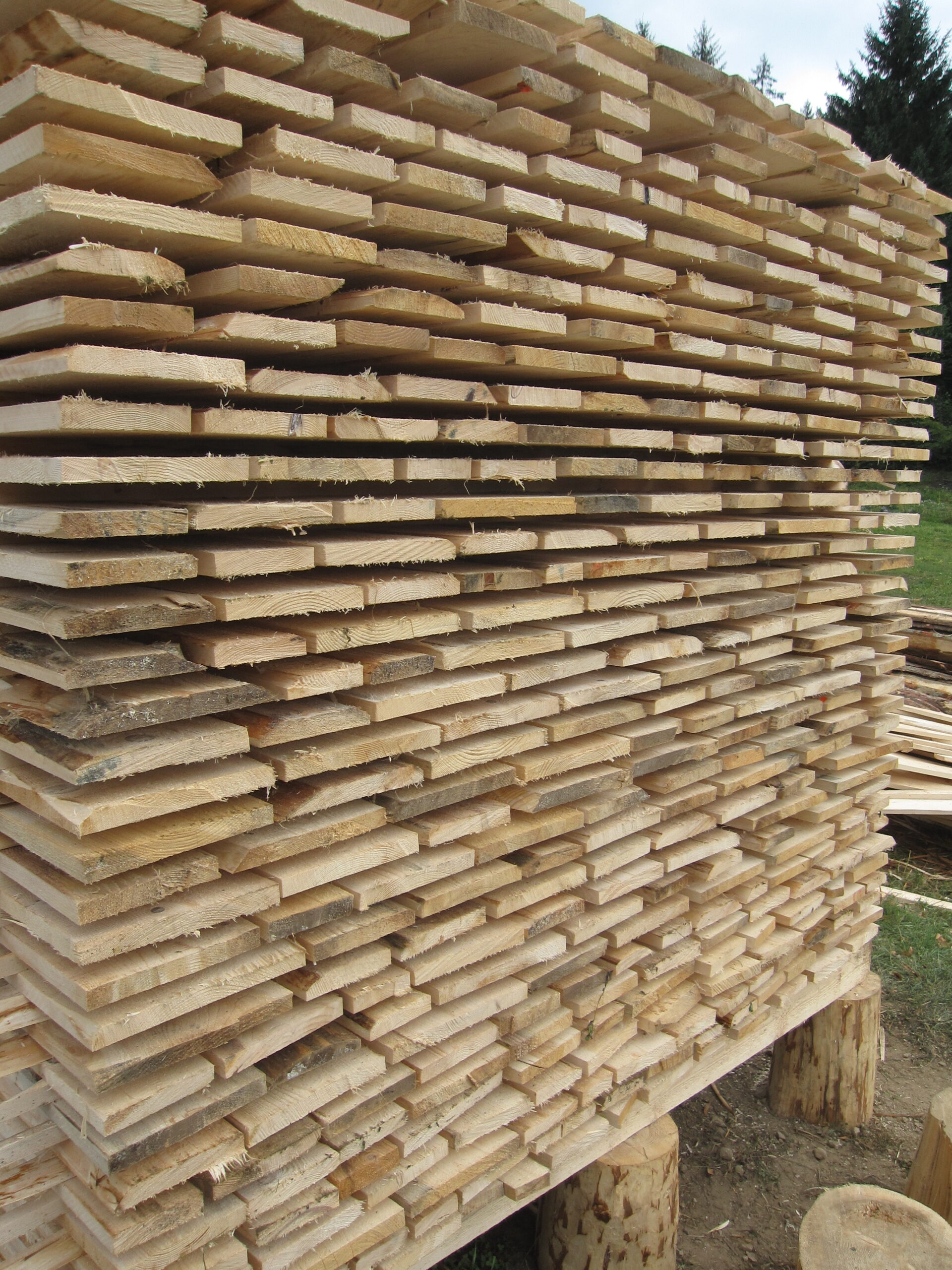
Quick answer: When is lumber ready to build with? Lumber is a reasonable candidate for assembly when correctly taken moisture readings are compatible with its intended…
Quick answer: Attach a solid-wood tabletop with connections that hold it down while allowing movement across its grain. Tabletop clips, correctly installed figure-eight fasteners and properly…
Quick answer: Build this organizer from six plywood panels, reinforced with six small wooden glue blocks. With plywood measuring exactly ½ inch thick, it finishes at…
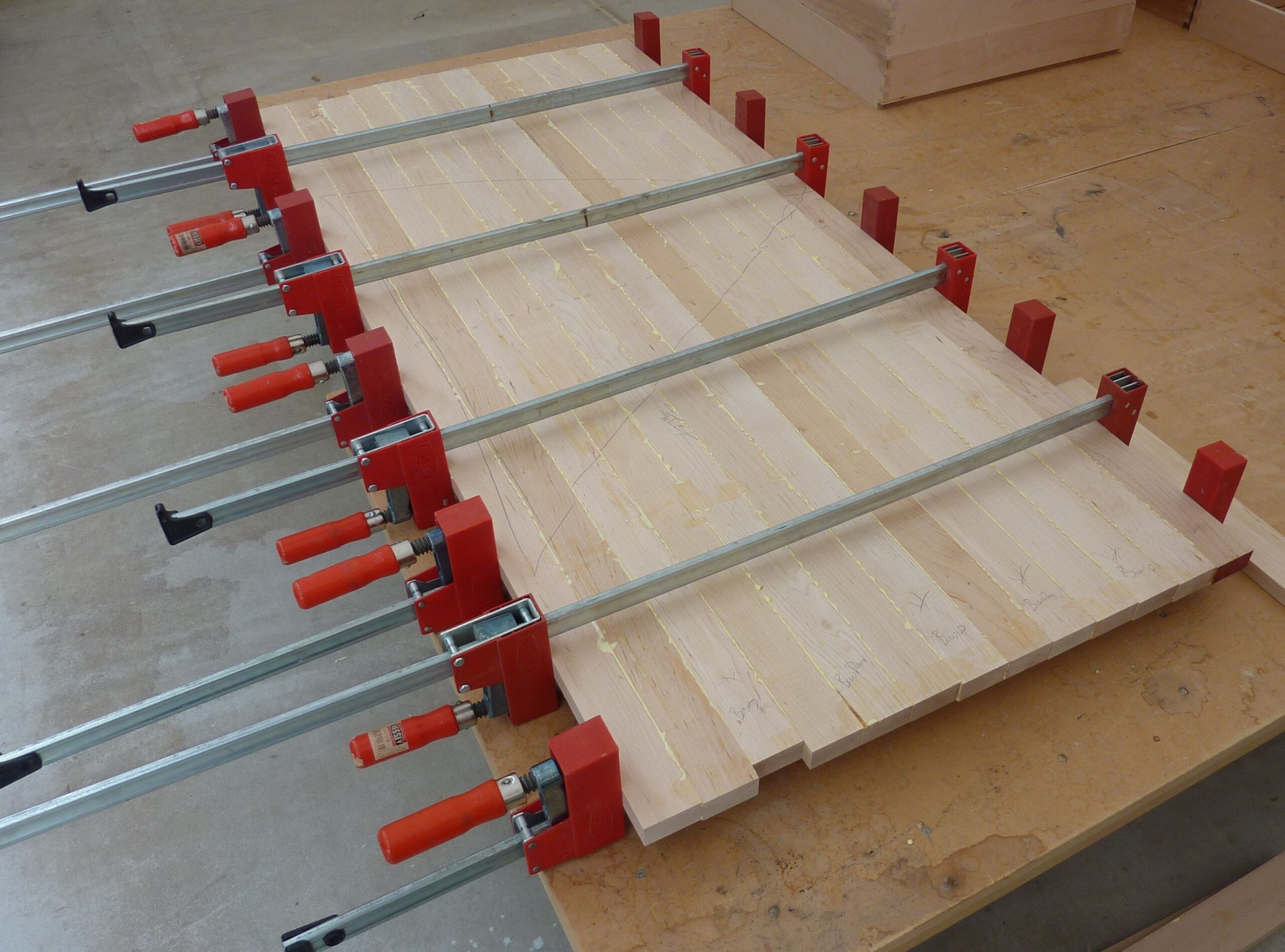
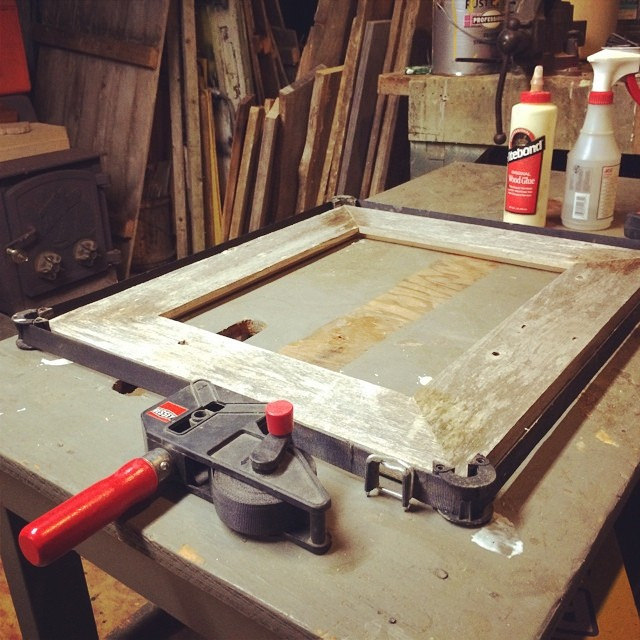
Quick answer Choose glue for a permanent, close-fitting joint with suitable bonding surfaces; screws when you need accessible mechanical fastening or later removal; and glued dowels…
Quick answer Wood stain turns blotchy when the surface accepts color unevenly. Species differences, leftover glue or finish, sanding scratches, and more-absorbent end grain can all…
Quick answer Start with gentle dust removal, not furniture polish. For a known, fully cured finish, follow its manufacturer’s cleaning instructions. Use minimal moisture and dry…
Before you cut or sand: Secure the workpiece, check guards and accessories, inspect the tool, connect suitable dust collection, clear your footing and put on task-appropriate…
Quick answer Painted organizer: Start with clear yellow-poplar for its paintability and manageable workability. Decorative shelf: Choose pine when easy working matters; choose oak or maple…
Quick answer FSC labels provide evidence about the sourcing of a product’s forest-based materials—not its strength, finish quality, or suitability for your project. FSC 100% identifies…