
Quick answer
Start with gentle dust removal, not furniture polish. For a known, fully cured finish, follow its manufacturer’s cleaning instructions. Use minimal moisture and dry promptly when damp cleaning is permitted. For an unidentified older finish, keep routine care dry until its condition and cleaning compatibility are assessed. Stop if cleaning causes color transfer, cloudiness, softening or lifting. Never wet-clean unfinished wood. (nps.gov)
1. Choose the cleaning method by finish and condition
Before choosing a cleaner, establish two things: what covers the wood, and whether that surface is sound. Furniture with cracking, flaking coatings or lifting veneer should not be treated like an intact modern tabletop. Even dusting can catch loose edges. (nps.gov)
For a recently purchased or refinished piece, look for its care sheet, finishing record or exact coating name. Ask the maker or refinisher if necessary. For an older piece without documentation, record the finish as unknown rather than choosing a cleaner on a guess.
Use this cautious starting guide:
| Surface or situation | Starting approach |
|---|---|
| Known, fully cured modern coating | Follow its care instructions; use permitted damp cleaning only as needed |
| Older, unidentified but apparently stable finish | Gentle dry dusting; seek advice before more extensive cleaning |
| Bare, unfinished wood | Dry cleaning only |
| Flaking coating, loose veneer or splintered edges | Stop; arrange assessment before cleaning |
| Historic painted or decorated furniture | Dry dusting only if stable; leave wet or solvent treatment to a conservator |
These distinctions reflect manufacturer guidance for modern coatings and conservation guidance for historic and unfinished surfaces—not a single cleaning recipe for every wooden object. (generalfinishes.com)
2. Remove loose dust before tackling marks
Dusting and washing are different jobs. Loose dust should be removed before trying to lift fingerprints or grime. The National Park Service notes that hard particles in dust can abrade surfaces, while cleaning itself can damage sensitive finishes. (nps.gov)
For a smooth, stable surface:
- Use a clean, soft cotton cloth or untreated microfiber dust cloth.
- Wipe gently, following the grain where practical.
- Turn the cloth frequently so each pass uses a clean area.
- Stop if the cloth snags or leaves fibers caught on the surface.
For stable carvings and recesses, a soft brush can direct dust toward a vacuum nozzle held just above the surface. Do not press the nozzle against the furniture. Leave unstable decoration and lifting edges alone. (nps.gov)
Keep furniture-cleaning cloths separate from floor-cleaning tools. Wash reusable cloths appropriately and let brushes dry fully before reuse. Feather dusters are a poor choice: they scatter dust, and broken feathers can scratch. (nps.gov)
Practical check: After dusting, reassess the piece. If its appearance is acceptable, finish there. Historic furniture does not need deeper cleaning simply because a calendar says it is due. (nps.gov)
3. Test cautiously before introducing moisture
An inconspicuous test helps identify an immediate adverse reaction; it does not establish that an entire piece has the same finish. Past repairs may respond differently from surrounding areas. (canada.ca)
For an apparently sound clear coating where a water test is appropriate, the Canadian Conservation Institute describes this approach:
- Dampen a cotton swab with warm water.
- Squeeze it until almost dry.
- Gently rub a small, unobtrusive coated area.
- Check the swab for finish residue, often yellow or brown.
- Wait several minutes for drying and inspect for whitening or cloudiness.
If residue transfers or the appearance changes, stop. If an approved detergent is subsequently introduced, test that altered solution separately. (canada.ca)
Choose a hidden area that actually carries the finish being cleaned. An unfinished underside is not a useful comparison for a coated top. Treat a successful test as permission for a cautious next step, not vigorous whole-piece scrubbing.
For valuable furniture, historic paint, Asian lacquer or a degraded coating, obtain conservation advice rather than performing exploratory tests yourself. (canada.ca)
4. Clean a known modern coating with minimal moisture
Manufacturer instructions should govern both cleaner selection and when cleaning can begin. A coating that feels dry may still be curing. General Finishes distinguishes drying from reaching maximum hardness and advises waiting until full cure before cleaning. Its published timing guidance is specific to its products and conditions—not every furniture finish. (generalfinishes.com)
For a finish whose instructions permit water and mild soap, organize the job before starting:
- Remove loose dust.
- Prepare the permitted cleaning solution as directed.
- Dampen a soft cloth and wring it well.
- Clean a small area gently.
- Remove soap residue with a separate, barely damp cloth where required.
- Dry immediately with a clean, soft cloth.
This is a controlled wipe, not a wash that leaves water on the surface. Conservation guidance likewise emphasizes clearing detergent residue and drying promptly. (generalfinishes.com)
Worked example: a modern coated dining table
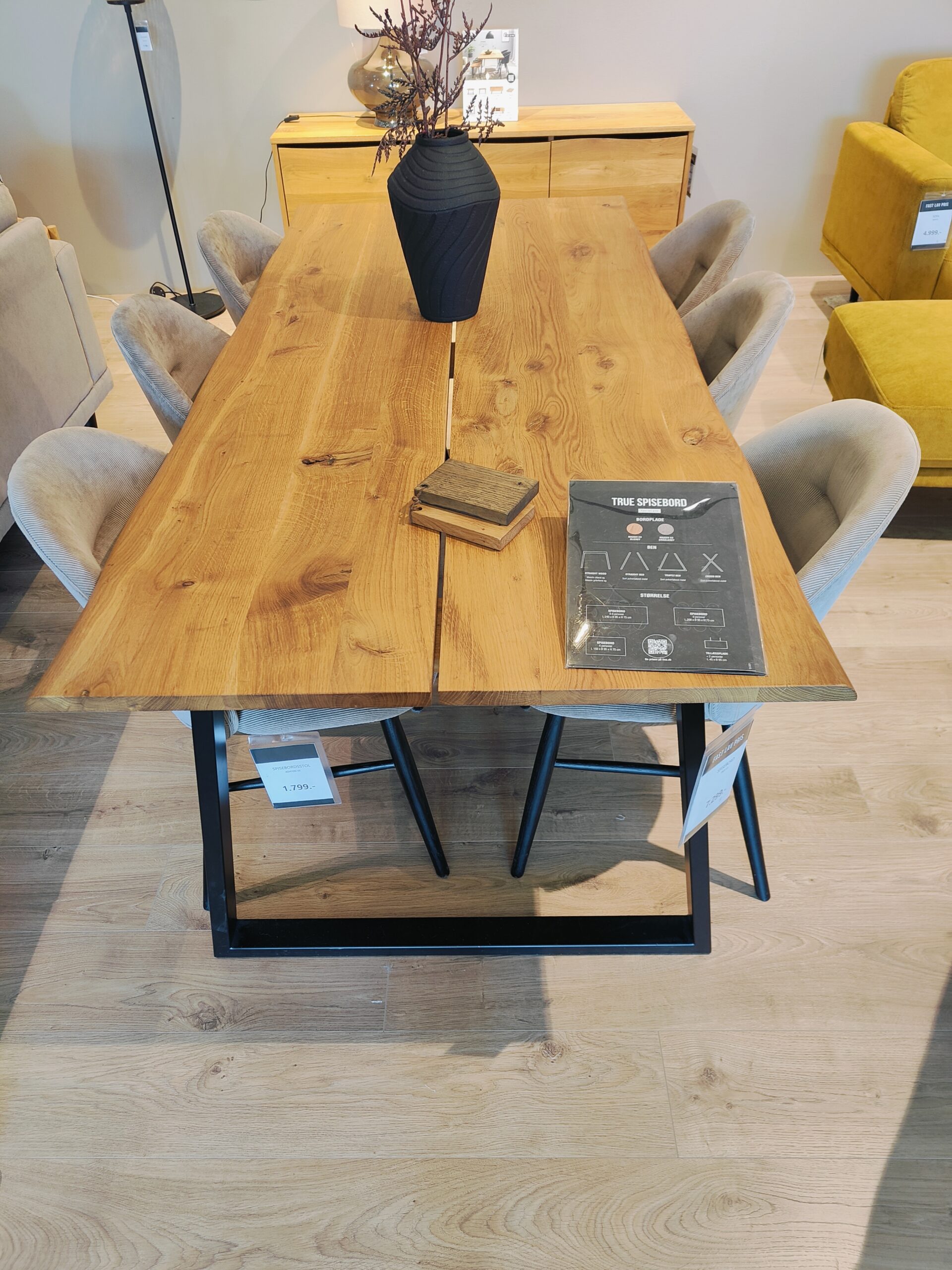
Suppose your finishing record confirms a fully cured General Finishes Gel Topcoat. Its care instructions permit water-damp dusting and mild soap and water for fingerprints and accumulated grime. Dust first, test the permitted method in a hidden coated area, then clean only the dirty areas and dry them promptly. (generalfinishes.com)
If the mark remains, do not add an unrelated kitchen degreaser. Photograph it and ask the finish manufacturer what treatment is appropriate. The purpose of cleaning is to remove soil without turning the task into an unplanned finish repair.

5. Treat an older unidentified finish differently
For an older piece, preserving the surface may matter more than achieving uniform shine. Historic wear and accumulated surface layers can contribute to its character and evidence of use. Removing them is not automatically an improvement. (nps.gov)
Worked example: an inherited cabinet
You have an older cabinet with no finishing record, a dull top and dark material around the handles.
First, inspect without rubbing. If the coating is stable, remove loose dust gently. Do not assume the dark material is removable wax or that the dull area needs oil. Record where each issue occurs and photograph it before seeking advice about deeper cleaning. If veneer is lifting or coating flakes are loose, skip even routine wiping there. (nps.gov)
Unfinished drawer interiors need their own approach. Bare wood absorbs water readily; wet cleaning can swell fibers, raise the grain and carry dirt beneath the surface, causing staining. Use dry methods rather than extending the exterior’s damp-cleaning routine inside. (canada.ca)
A useful boundary is: unknown finish, dry routine; persistent problem, assessment before escalation.
6. Separate wax buildup from ordinary dirt
Furniture polish can leave residues and buildup. Adding another layer is therefore not a reliable answer to a sticky or uneven-looking surface. Nor does wood need to be “fed” with oil to compensate for unsuitable humidity. (canada.ca)
Wax removal is a separate treatment from everyday cleaning. Mineral spirits can dissolve wax, including an original wax finish that should not casually be removed. National Park Service guidance calls for professional judgment where original wax may be present. (nps.gov)
Avoid a solvent ladder: Do not move from soap to alcohol, acetone or stronger solvents simply because a mark persists. A failed gentle clean is a reason to reassess the problem, not proof that a stronger chemical is needed.
Care instructions also differ between finish systems. General Finishes warns against oil-soap or silicone-based daily cleaners because contamination can interfere with future coatings. Osmo’s TopOil guidance, by contrast, includes specified wax or oil maintenance products. Neither recommendation transfers automatically to an unidentified finish. (generalfinishes.com)
Keep cleaning, wax removal and maintenance coating as three distinct decisions.
7. Recognize stop signs and prevent repeat damage
Stop immediately if you observe:
- Finish or unexplained color transferring to the cloth.
- New whitening or cloudiness.
- A surface becoming tacky or soft.
- Flakes, veneer or decoration lifting.
- A cloth catching on damaged edges.
These are reasons for assessment, not harder rubbing. Keep a note of the product used and photographs of the affected area. Extensive cleaning and repair belong with a furniture conservator, particularly where an original surface may be involved. (canada.ca)
For routine prevention, wipe spills promptly and use coasters and suitable heat protection. General Finishes cautions that its water-resistant coatings are not impervious to water. Avoid leaving standing moisture while deciding how to treat a mark. (generalfinishes.com)
Also avoid direct sunlight, nearby heaters and placing potted plants directly on wooden furniture. Canadian Conservation Institute guidance emphasizes a stable environment rather than repeated applications of oil or polish. (canada.ca)
The final check is straightforward: Did the soil come away without changing the surface? If yes, stop cleaning. If not, identify the remaining problem before choosing another treatment.